


JATINANGOR-On Saturday, December 14, 2024, the Alumni Association (IKA) of the Library and Information Science (PSI) Study Program at the Faculty of Communication Science, Universitas Padjadjaran, held a Focused Group Discussion (FGD) on the theme “Alumni Database and Organizational Development.” The event took place at the Fikom Knowledge Heritage room and was held in a hybrid format.
The FGD was attended by several key figures, including the Head of the Library and Information Science Study Program, Dr. Rd. Hj. Funny Mustikasari Elita, M.Si., PSI lecturers Kusnandar, M.Si., and Andri Yanto, M.I.Kom. Also present were the Vice Chairman of IKA PSI, Bagus Ramdan, S.Sos., board members of IKA PSI Sony Setiawan S.Sos.and Arbi Meirano, M.M., representatives from the Himaka PSI board, and a student representative from the class of 2024, Hamka Hamzah Mubdi Wibowo.
This event was a follow-up to the IKA PSI alumni gathering held on Sunday, November 17, 2024. The first agenda item is the development of a PSI alumni database. Kusnandar, M.Si., a PSI lecturer, stated, “To improve the alumni database, a special team has been formed to develop an application or platform for managing the alumni database.” The FGD served as the initial step in this platform development process. This was echoed by Sony Setiawan S.Sos., who mentioned, “The FGD is the roadmap process for the development of the alumni database initiated by IKA PSI Unpad.”
The FGD began with a presentation of the Business Model Canvas (BMC) by Sony Setiawan S.Sos. and Arbi Meirano, M.M., who explained a collaborative-based organizational management strategy. During the discussion, the importance of collaboration with various parties—from study programs and faculties to government agencies and communities—was emphasized. Arbi Meirano, M.M., stated that the goal is for “all PSI alumni to be documented and their data can be used for statistical purposes.”
Key points discussed in the FGD included the management of a more integrated alumni database using technology platforms like Odoo, strategies to improve networking and professional development for members, and plans for the legalization of IKA PSI as a legal entity. The event also highlighted the importance of mentorship programs, regular surveys, and career development opportunities like job fairs for PSI alumni. In terms of financial sustainability, IKA PSI aims for independent revenue sources through member fees, training events, and the management of business units. This model is designed to support the organization’s operations while providing added value to its members.
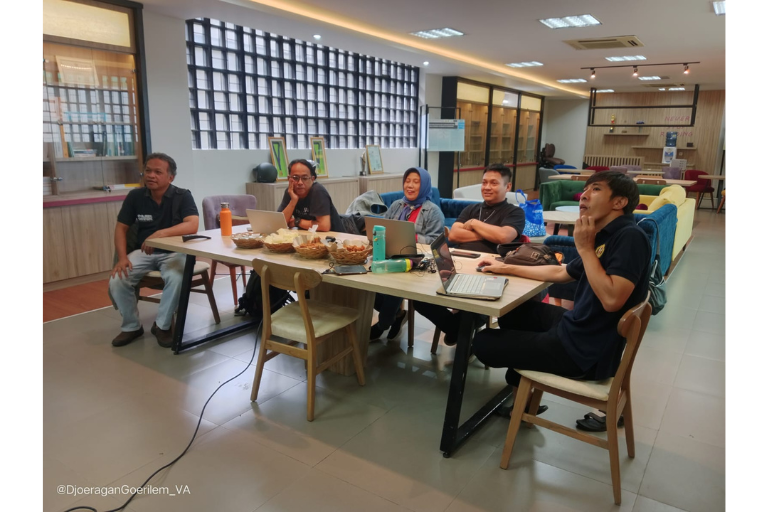
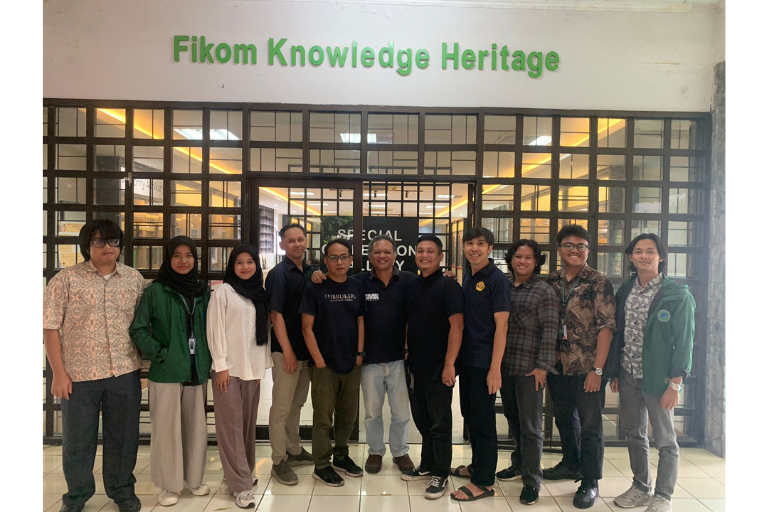
Hopefully, after the FGD, the platform development process can involve many stakeholders. This includes the active role and participation of students, alumni, and the IKA management itself. Kusnandar, M.Si., hopes that this platform development will serve as a learning opportunity for PSI students, allowing them to gain knowledge and skills in developing an information system. The study program can oversee this process by issuing a joint certificate with IKA PSI to the students involved in the activity, formally recognizing their work. This certificate will also be a valuable asset for the students’ portfolios.
The FGD is an important step in the development of IKA PSI, supported by the study program. Sony Setiawan S.Sos. stated that the target for the alumni database development is to be “completed by the end of March.” Bagus Ramdan, S.Sos., added his hope for the realization of the PSI alumni database. With full support from various parties, IKA PSI is expected to become a more solid, innovative, and impactful organization for the community and its alma mater, concluded Kusnandar, M.Si.
Authors: Muhammad Daffa Muzakki and Evi Nursanti Rukmana


