


Library and Information Science Study Program, Fikom, Unpad held a public lecture on the topic of E-Government Service for Information Society in Malaysia on Thursday (30/11/23). This event was held in a hybrid manner. The offline event took place in the Oemi Abdurrachman Room, Fikom, Unpad, and the online event took place in the Zoom room and was broadcast live via the Library and Information Science Study Program’s YouTube channel. Dr. Azma Asnawishah B. Hj. Abd. Hakim presented this visiting lecture as a speaker. He is a Senior Lecturer at the Faculty of Science, Education & Police Studies (FSPPP), University Technology MARA, Malaysia. This event was hosted by Mrs. Dr. Ute Lies Khadijah, Lecturer in the Library and Information Science Study Program.
In his presentation, Dr. Azma said that E-Government is a government-based on systems, processes or functions that operate using digital information technology. Furthermore, he explained that an information society is a society that uses information for various activities, including economics, politics and culture, and is very dependent on information technology. Furthermore, from the literature review, Dr. Azma explained that technology is very useful in human life even though it also causes problems because there are members of society who are still unable to access technology and there is community vulnerability from technological attacks so that government intervention is needed in the form of e-government which provides information from the government to the public and vice versa. It was further explained that e-government guarantees transparency and easy to access, increasing efficiency and cooperation. In Malaysia, e-government was realized in the form of the Multimedia Super Corridor (MSC) Malaysia in 1996, which became an information technology gateway for industry and became a link for world companies operating in the field of information and communication technology, aiming to attract world companies’ interest in being present in Malaysia a multimedia hub for commerce around the world, leading the global community in the information society.
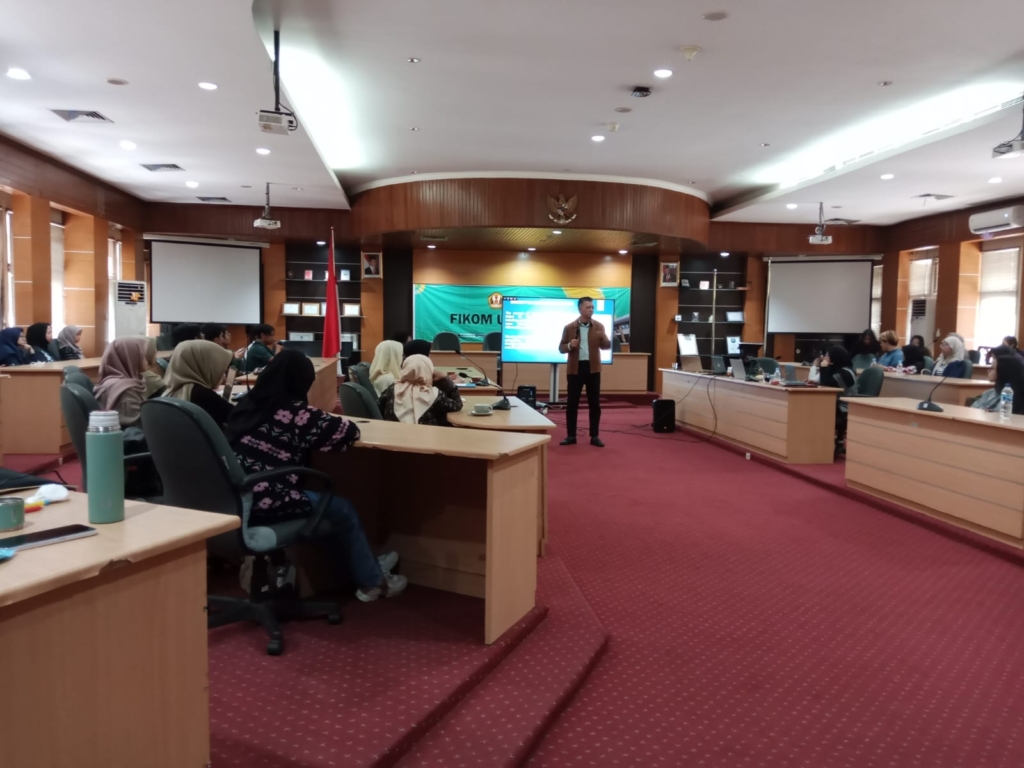
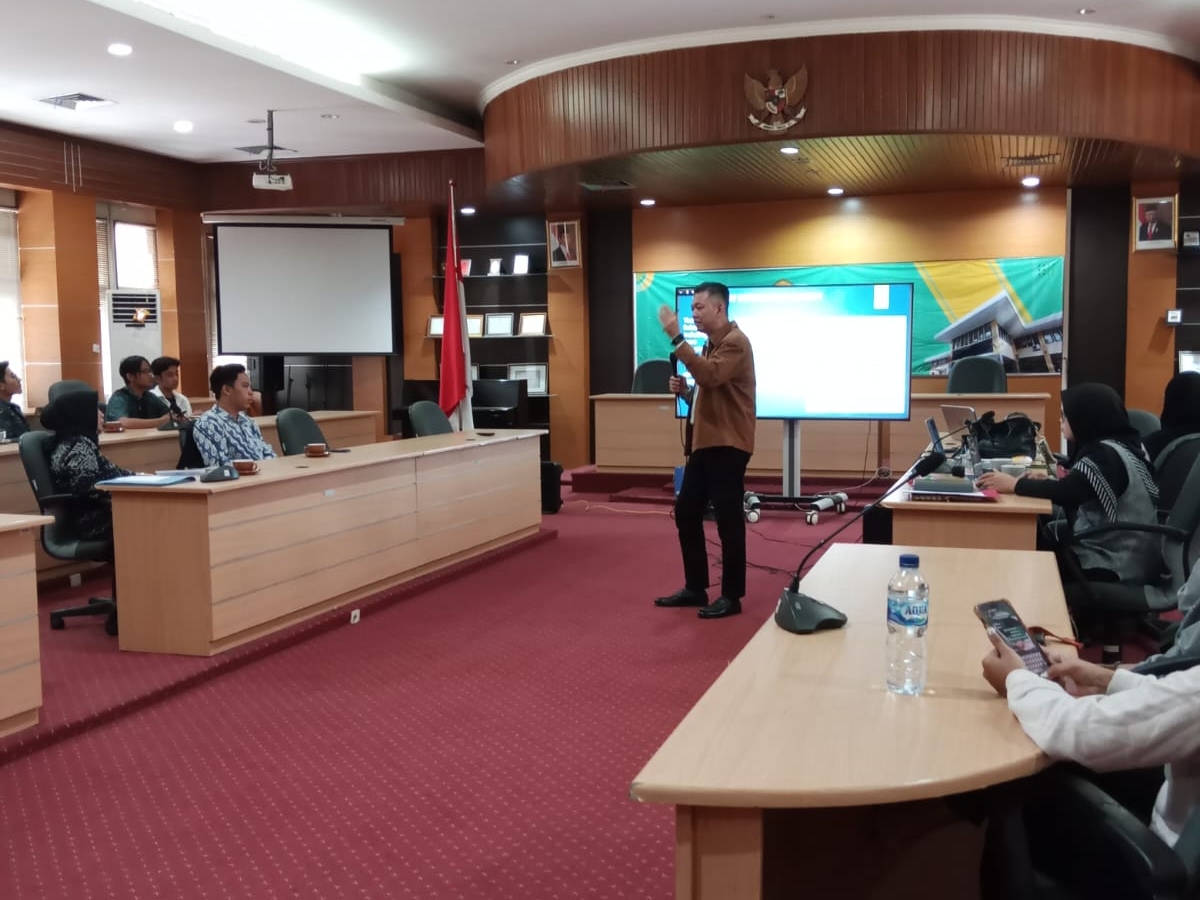
In the next presentation, Dr. Azma explained how Malaysia is developing e-government as a transformation of ICT and multimedia-based administrative services which aims to increase connectivity, create new services of higher quality at lower costs, smooth the flow of information and facilitate coordination. This development began by building a government network site followed by the Public Sector ICT Strategic Plan in the form of the Malaysian Digital Economy Blueprint, which was carried out in two phases, namely phase 1 in the form of market development, new business models, development of public services and job vacancies, phase 2 in the form of transformation digital, digital infrastructure, building a digital society. This presentation shows examples of developments in e-government such as E-Government Interaction Classification, e-government initiatives, MyGovernment Portals, BLESS (Business Licensing Electronic Support System, MyTC Services (Malaysia Training Center), MyHEALTH (Telehealth Flagship Application), MyCoID (Malaysia Corporate Identity Number), MyGCC (Malaysia Government Call Centre), MYPROCUMENT, and NATIONAL DIGITAL ID. The next presentation explains the benefits of the Malaysian Digital ID, including facilitating personal identification, facilitating the trading process, facilitating digital signing, and preventing the falsification of personal data. The development of e-government has made Malaysia receive many awards in the field of communication technology-based government, as well as being able to increase community involvement in various government programs. Issues and problems that arise as obstacles in implementing e-government, such as adjustments, are also explained on technology, government staff capabilities, infrastructure readiness, leadership and political issues.
At the end of the presentation, Dr. Azma conveyed recommendations in the form of increasing data security, improving skills, infrastructure and e-government use campaigns. It is concluded that the digital space has become important for accessing information and services in all fields. The government plays an important role in educating and disseminating quality information to build an information society into a knowledge society.
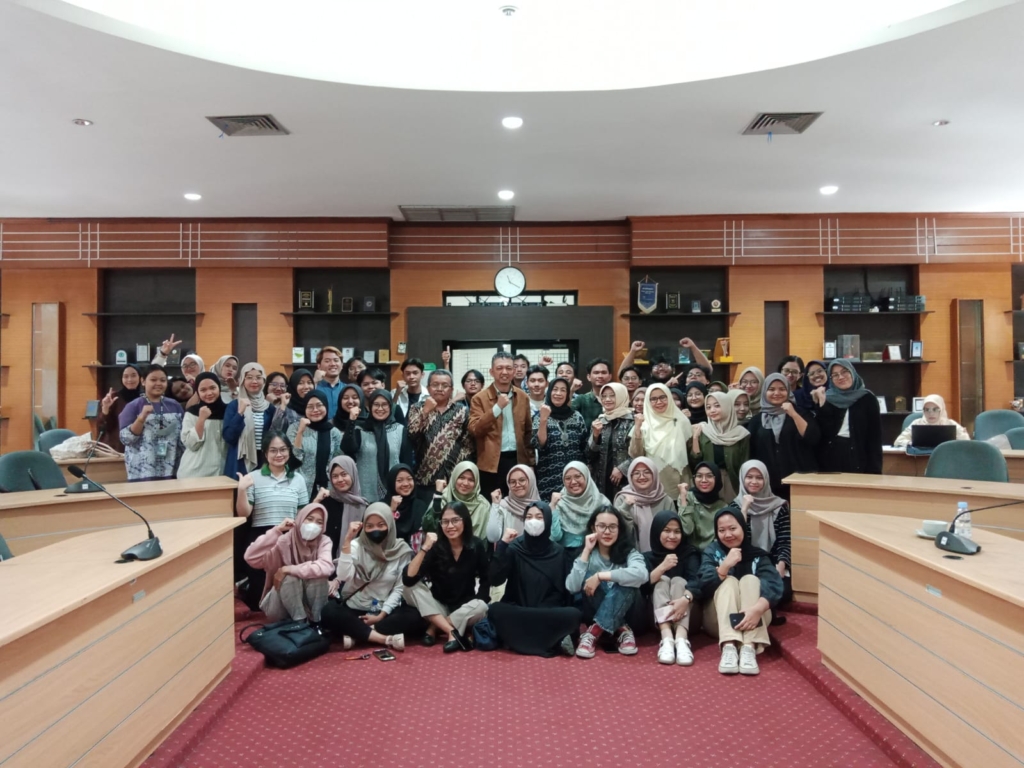
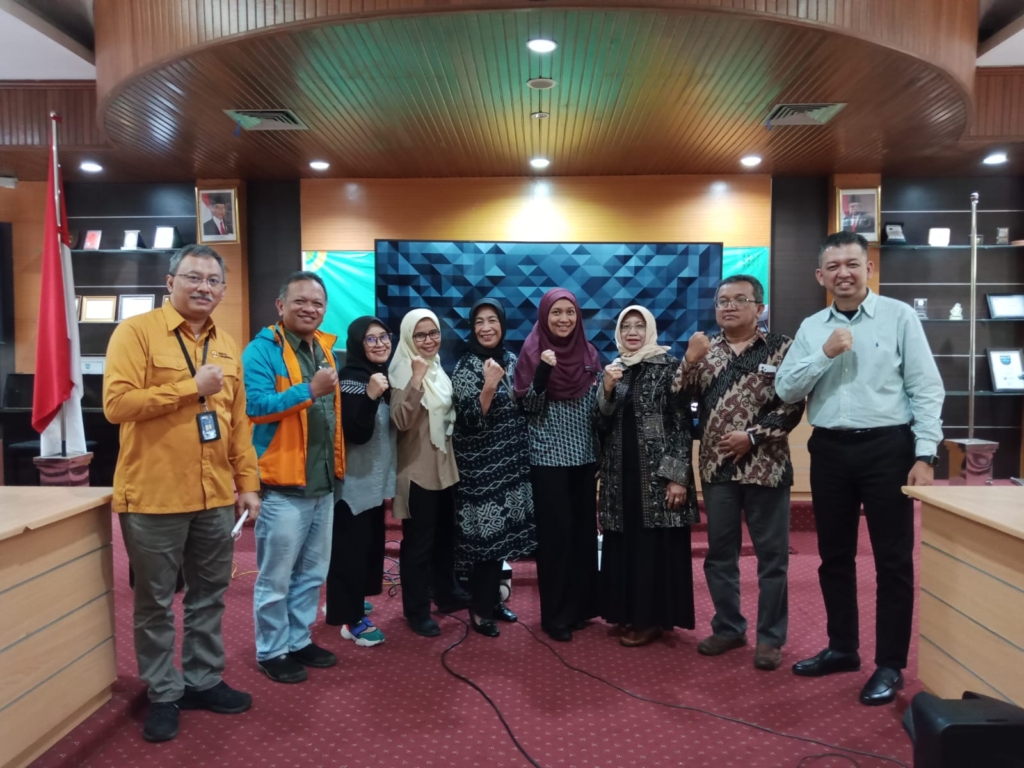
The public lecture closed after a question and answer session with a photo session with participants and resource persons. This event was attended by more than 100 people offline and online via Zoom and YouTube consisting of lecturers and students from the Library and Information Science Study Program. From this public lecture, it is hoped that students will be able to broaden students insight regarding the development of information technology and its application in everyday life. And how to utilize and respond to it as an information society.


